
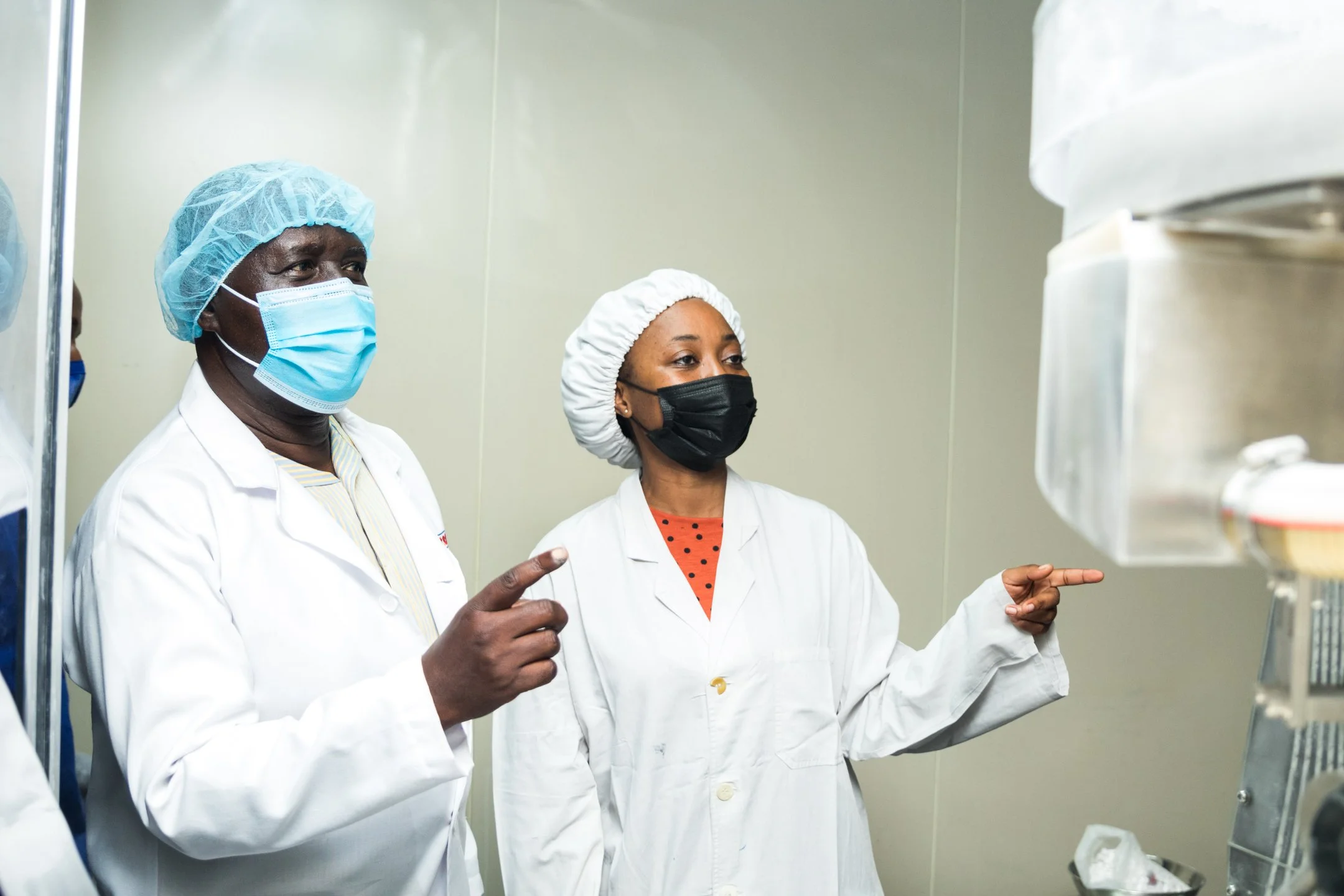
Connecting private sector expertise to strengthen local healthcare capacity
the private sector is central to healthcare in Africa
615 million
people in Africa do not receive the healthcare they need


65%
Operating through for-profit, not-for-profit, faith-based organizations and social enterprises, the private sector innovates, delivers care, distributes medicines, finances services, and reaches communities that public systems often do not.
If effectively supported, the private sector could provide as much as 70% of the expanded capacity needed to meet the healthcare demand in Sub-Saharan Africa.
Private actors often operate without access to the tools, training, or advisory support needed to improve performance, scale impact, or meet evolving national health priorities, and are usually excluded from public and donor-driven programs.
Addressing private sector capacity gaps in manufacturing, distribution, service delivery, digital health, medical technology, and insurance is essential to building resilient health systems.
of healthcare is financed privately, including out-of-pocket spending
60%
of healthcare services are delivered by private facilities and pharmacies
50%
of essential medicines and other healthcare commodities are supplied by private distributors
Connecting expertise with opportunity
BHS recognises that the private sector is best placed to support the private sector. Large international healthcare companies’ employee engagement and social responsibility programs align well with our mission to increase healthcare access. Corporate employees are eager to share their knowledge, skills and experience with local professionals to address their operational challenges.
BHS connects the expertise of highly skilled corporate volunteers with the opportunity to deliver sustainable healthcare solutions provided by local African healthcare organizations.
We do this through bespoke technical assistance projects; delivered virtually, free of charge to the local organization, and facilitated by BHS.
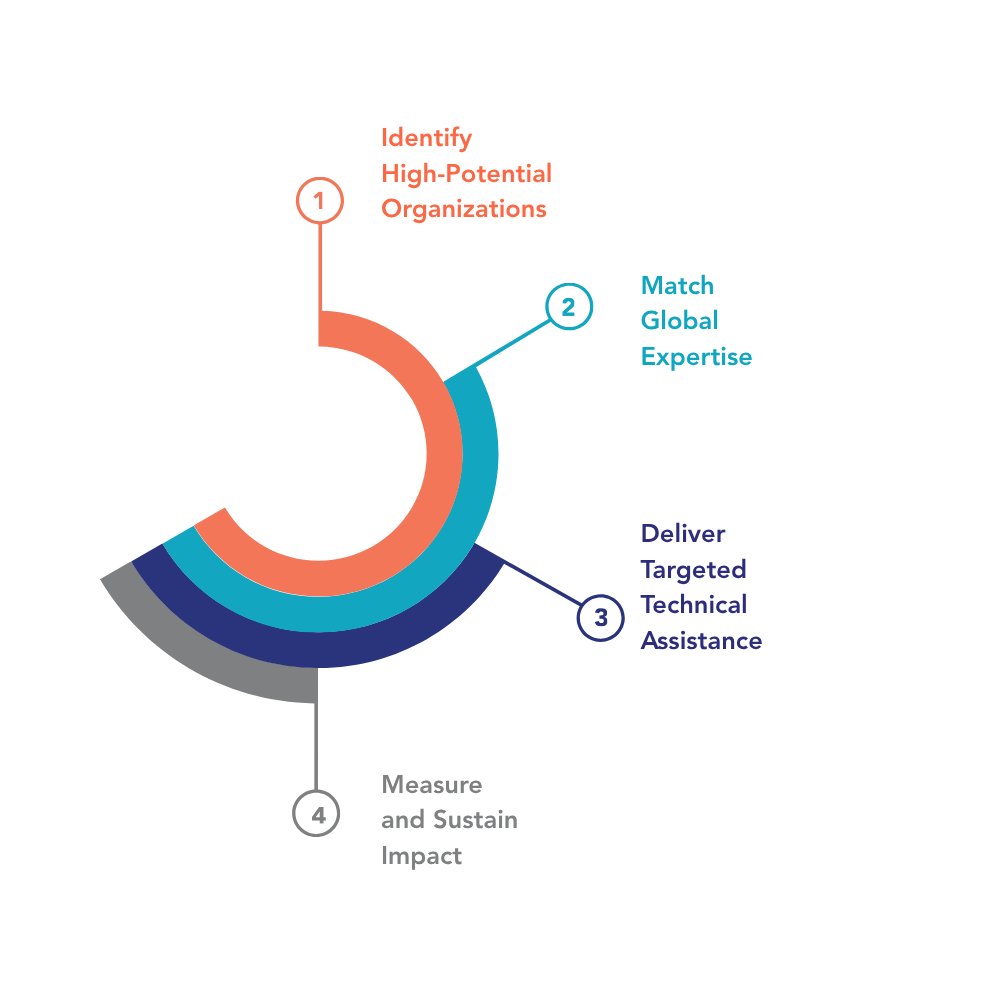
BHS Model
Our technical assistance model
Local organizations, identified for their potential to increase healthcare access, tell us which business or technical need they wish to address.
We match that need with corporate volunteer experts whose skills and experience align with the challenge.
We remain closely involved throughout, scoping the project, facilitating collaboration, supporting knowledge transfer.
We track progress against clear objectives and measure results for the client and impact on healtcare access.
Our impact
5.3 million people in Africa have increased healthcare access as a result of BHS support
African countries
meaning..
more products and services are available to under-resourced communities
their quality or effectiveness improves
patients can obtain them at a lower cost
85
Technical assistance engagements
14
200
Corporate volunteers mobilized
56
Healthcare organizations supported
Our theory of change
When local healthcare organizations are better equipped to operate, grow, and respond to demand, more people can access the healthcare products and services they need.

CASE STUDY · GHANA · 10 MONTHS
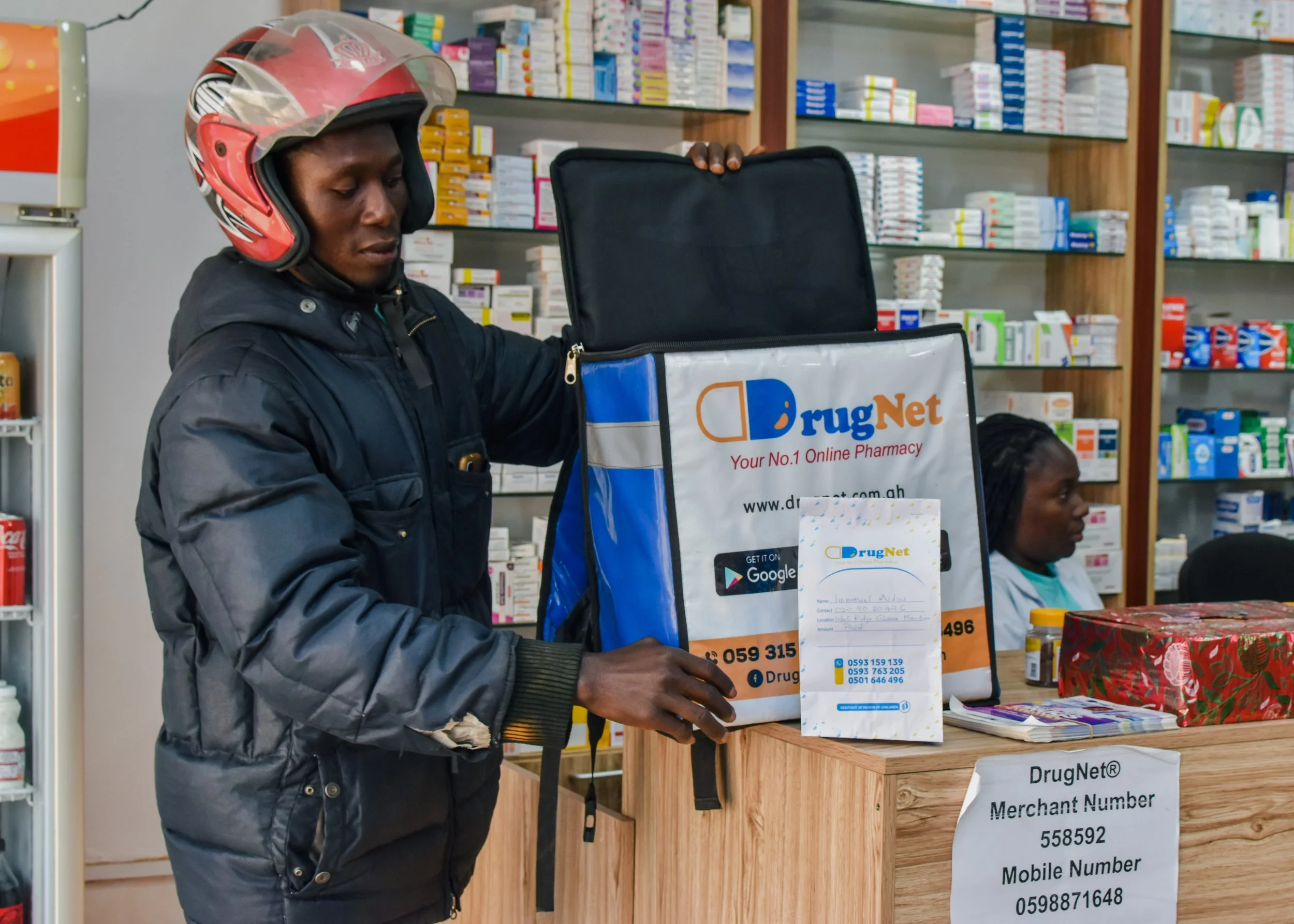
DrugNet Pharmacy
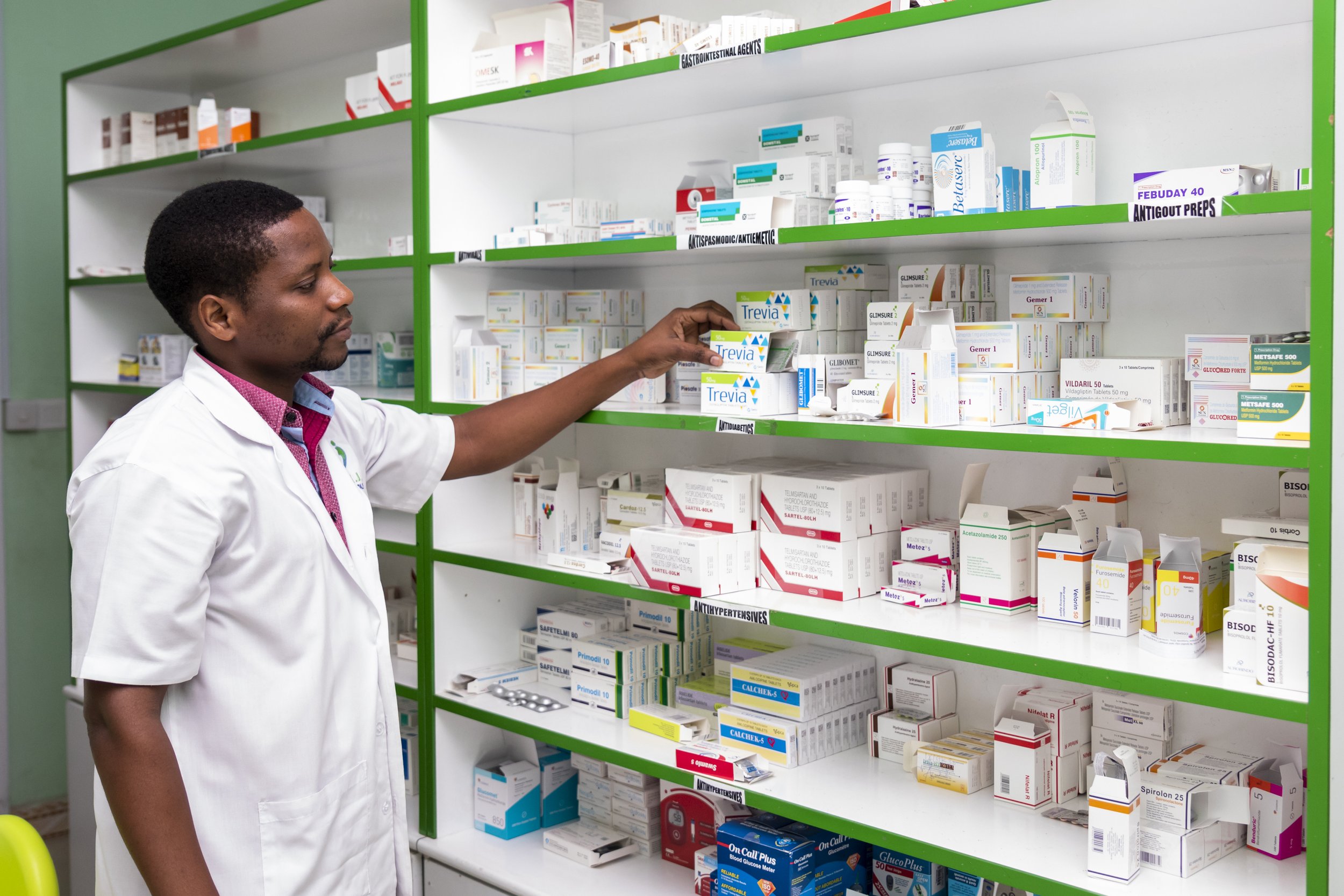
DrugNet is a Ghanaian online pharmacy and digital marketplace that enables users to upload prescriptions, order medications, and consult with pharmacists for home delivery. Frequent stock-outs and unreliable data were limiting how many patients it could reliably serve.
What changed: BHS volunteers cleaned and standardized 12 months of sales data, introduced a structured forecasting methodology, and deployed a practical demand-planning tool with hands-on training.
Monthly patient reach
Stock visibility
0% → 100%
Stock consistency
2,000 → 50,000
0% → 30%